Introduction
Carrier oils are unsung heroes in the world of natural skincare and holistic health. These oils are used to dilute essential oils before they are applied to the skin, making the application safe, smooth, and nourishing. In this carrier oil guide, we will explore the benefits, best uses, and practical ways to incorporate carrier oils into your daily beauty and wellness regimen.
Understanding Carrier Oils for Essential Oil Dilution
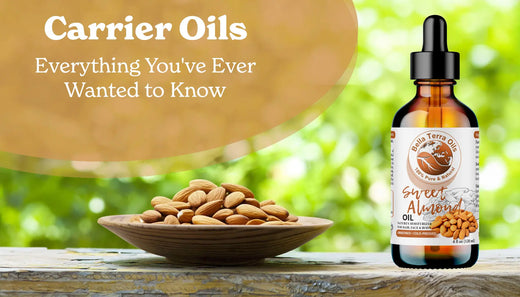
Carrier oils play a crucial role in the safe application of essential oils. They help in diluting essential oils before topical application, preventing possible skin irritations or reactions. Common carrier oils for essential oil dilution include jojoba oil, sweet almond oil, and coconut oil. Each of these oils has a mild aroma and a light texture, making them ideal for essential oil dilution and ensuring that the therapeutic properties of the essential oils are preserved.
Benefits of Carrier Oils
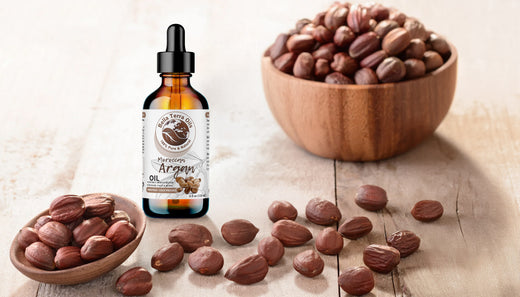
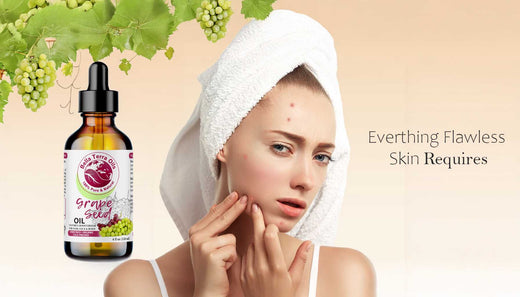
The benefits of carrier oils are extensive, ranging from enhancing skin hydration to soothing inflamed skin. Carrier oils are packed with vitamins, minerals, and essential fatty acids, which help to nourish and rejuvenate the skin. For example, argan oil is renowned for its anti-aging properties, while grapeseed oil is known for its antioxidant benefits that protect skin from free radicals.
Best Carrier Oils for Skin
Choosing the right carrier oil can depend greatly on your skin type and desired effect. For those with dry skin, avocado oil provides deep moisturization, thanks to its rich oleic acid content. If you have oily skin, grapeseed oil is a perfect choice as it is lightweight and has astringent properties, helping to tighten and tone the skin. These are among the best carrier oils for skin, tailored to meet different needs effectively.
How to Use Carrier Oils
Carrier oils are incredibly versatile and can be used in various ways. Understanding how to use carrier oils can enhance your skincare and haircare routines. They can be applied directly to the skin, mixed with essential oils for aromatherapy, or used as a base for creating your homemade beauty products. When using carrier oils for massage therapy, they not only facilitate smooth movement over the skin but also provide therapeutic benefits through the skin.
Carrier Oils for Hair Growth
Many carrier oils for hair growth, such as castor oil and coconut oil, are beneficial for promoting hair health. These oils can be massaged into the scalp to stimulate blood circulation and promote hair growth. They also provide nutrients to hair follicles, making your hair healthier and more resilient.
Carrier Oils for Aromatherapy
In aromatherapy, carrier oils for aromatherapy are used as a base to dilute essential oils before they are diffused or applied to the body. This practice helps to enhance the absorption of essential oils and extends their longevity while being used in diffusers or during massage therapy.
Carrier Oils for Massage Therapy
Massage therapy benefits greatly from the use of carrier oils for massage therapy. Oils such as jojoba and sweet almond oil are popular choices due to their smooth textures and skin-soothing properties. They help the massage therapist's hands glide effortlessly, increasing the therapeutic benefits of the massage.
Carrier Oils for Natural Skincare
Incorporating carrier oils for natural skincare into your routine can transform your skin's health. Oils like rosehip oil, which is rich in vitamin C, and jojoba oil, which closely mimics the skin's natural oils, are excellent for natural skincare.
Carrier Oils for Homemade Beauty Products
DIY enthusiasts often use carrier oils for homemade beauty products as a base for homemade beauty products. Whether making a body scrub, a hair mask, or a facial serum, carrier oils provide a natural, nourishing foundation that enhances the product's effectiveness.
Carrier Oils for Oil Cleansing
The oil cleansing method has gained popularity for its ability to deeply cleanse pores without stripping the skin's natural oils. Carrier oils for oil cleansing, such as olive oil and sunflower oil, are commonly used for this purpose, leaving the skin clean, soft, and hydrated.
Conclusion
Carrier oils are a foundational element in the realm of natural beauty and wellness. Understanding their properties and uses allows you to tailor your health and beauty routines to suit your specific needs. Whether you're using them for essential oil dilution, hair growth, or natural skincare, carrier oils offer a versatile and effective solution.