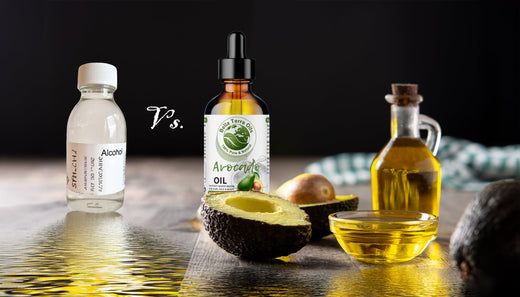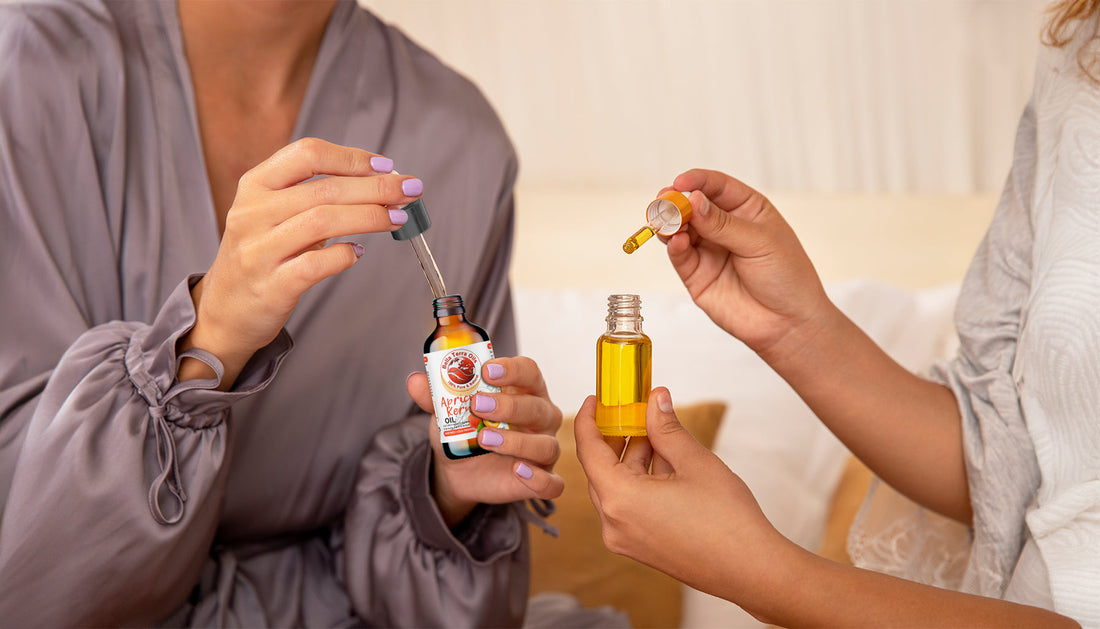
In the world of natural skincare and aromatherapy, understanding the difference between carrier oils and essential oils is crucial. Both types of oils offer numerous benefits, but they serve distinct purposes. This blog will explore carrier oil vs essential oil, detailing their differences, benefits, and how to use them effectively for skincare and hair care.
What is a Carrier Oil?
A carrier oil is a vegetable-based oil extracted from nuts, seeds, or kernels. Carrier oils are gentle enough for direct skin use and are often used to dilute essential oils before applying them to the skin, ensuring they are safe and non-irritating.
Common Carrier Oils
What is an Essential Oil?
An essential oil is a concentrated liquid extracted from the aromatic parts of plants, such as the leaves, flowers, or roots. These oils capture the plant's scent and flavor, or "essence," and are used primarily for their therapeutic properties in aromatherapy and skincare.
Common Essential Oils
- Lavender Oil
- Peppermint Oil
- Tea Tree Oil
- Eucalyptus Oil
- Rosemary Oil
Differences Explained
Composition
- Carrier Oils: Rich in fatty acids, vitamins, and minerals, carrier oils are generally thicker and less volatile than essential oils.
- Essential Oils: Composed of volatile compounds, essential oils are highly concentrated and have potent aromas.
Usage
- Carrier Oils: Used to dilute essential oils, making them safe for skin application. They can also be used alone for their moisturizing properties.
- Essential Oils: Used for their therapeutic properties in aromatherapy, skincare, and hair care but must be diluted with a carrier oil before application.
Application
- Carrier Oils: Applied directly to the skin or hair, either alone or mixed with essential oils.
- Essential Oils: Applied to the skin only when diluted with a carrier oil. They can also be used in diffusers for aromatherapy.
Stability
- Carrier Oils: Generally stable and have a longer shelf life. They do not evaporate as quickly as essential oils.
- Essential Oils: More volatile and can evaporate quickly. They require proper storage to maintain their potency.
Benefits and Uses
Carrier Oils
- Skincare and Haircare: Moisturizes and nourishes the skin and hair, providing essential nutrients.
- Aromatherapy: Acts as a base for diluting essential oils, ensuring safe application.
Essential Oils
- Therapeutic Properties: Used in aromatherapy for their calming, energizing, or healing properties.
- Skincare: Provides specific benefits like anti-inflammatory or antimicrobial effects when properly diluted.
Carrier Oil vs Essential Oil for Hair
When considering carrier oil vs essential oil for hair, it's important to use them together:
- Carrier Oils: Provide deep conditioning and nourishment to the hair and scalp.
- Essential Oils: Address specific concerns such as dandruff or hair growth when diluted in a carrier oil.
How to Choose the Right Oils
For Skincare
- Carrier Oil: Choose based on your skin type. For example, jojoba oil is great for oily skin, while sweet almond oil is ideal for dry skin.
- Essential Oil: Select based on the skin concern you want to address. For instance, tea tree oil for acne or lavender oil for soothing irritated skin.
- For Dilution and Application: Select a carrier oil based on your skin type and desired benefits. Common options include coconut oil for dry skin and grapeseed oil for oily skin.
For Haircare
- Carrier Oil: Select oils like coconut or argan oil for their deep conditioning properties.
- Essential Oil: Use oils like rosemary or peppermint oil for stimulating hair growth and improving scalp health.
What Happens if You Use Essential Oils Without a Carrier Oil?
Using essential oils without a carrier oil can lead to skin irritation, allergic reactions, or sensitization. Essential oils are highly concentrated and must be diluted to ensure safe application.
Conclusion
Understanding the carrier oil and essential oil difference is key to effectively using them in your skincare and haircare routines. Carrier oils provide the necessary dilution and added benefits for safe and effective use of essential oils. By choosing the right combination of oils, you can enhance your beauty regimen naturally and safely.
By understanding the differences and appropriate uses of carrier oils and essential oils, you can effectively incorporate them into your skincare, haircare, and aromatherapy practices for optimal results.