Introduction
Jojoba oil is a popular natural remedy known for its skincare benefits, particularly for acne-prone skin. Its unique properties make it an excellent choice for treating various types of acne, including hormonal and cystic acne. In this blog, we'll explore how to use jojoba oil for acne, its benefits, and how it can help improve your skin's overall health.
Jojoba Oil Benefits for Acne
Jojoba oil closely resembles the natural sebum produced by our skin, making it an ideal moisturizer that can balance oil production without clogging pores. Here are some of the key benefits:
- Balancing Oil Production: Jojoba oil helps regulate sebum production, preventing excess oil that can lead to acne.
- Anti-Inflammatory: It has anti-inflammatory properties that can help reduce redness and swelling associated with acne.
- Antibacterial: Jojoba oil can help fight bacteria that cause acne, promoting clearer skin.
- Moisturizing: It hydrates the skin without making it greasy, maintaining a healthy moisture balance.
- Appearance Improvement: Jojoba oil for acne scars can help fade scars over time, promoting smoother skin.
How to Use Jojoba Oil for Acne Treatment
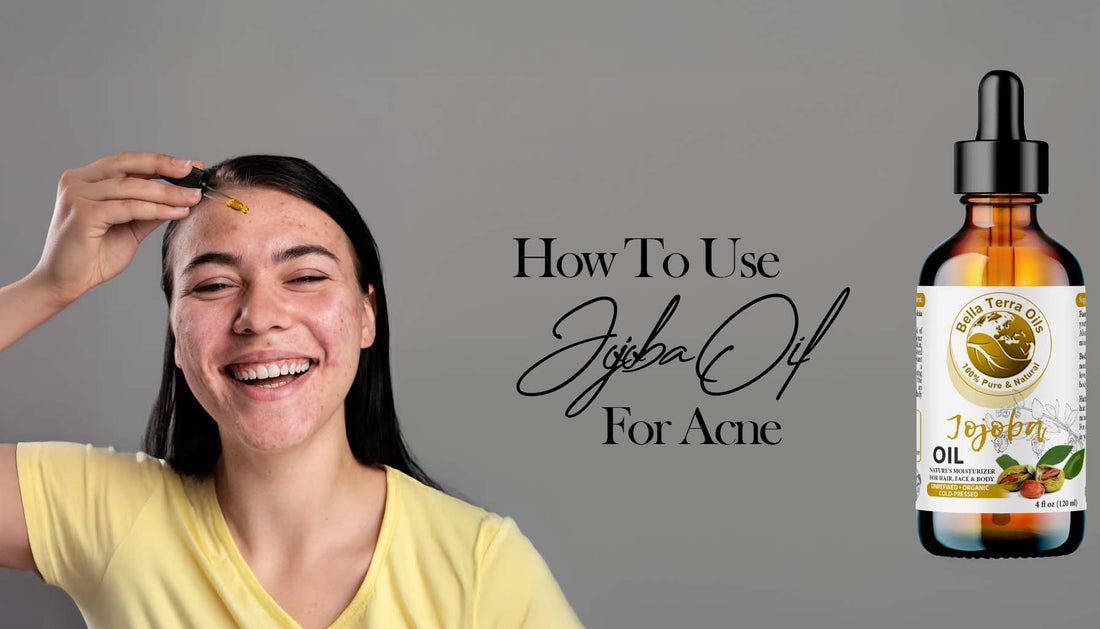
Incorporating jojoba oil into your skincare routine is simple. Here's how to use jojoba oil acne treatment:
- Cleanse Your Face: Start with a clean face. Use a gentle cleanser to remove dirt, oil, and makeup.
- Apply Jojoba Oil: Take a few drops of jojoba oil and warm it between your hands. Gently massage it onto your face, focusing on areas affected by acne.
- Leave It On: Allow the oil to absorb into your skin. You can leave it on overnight or for at least 20-30 minutes before rinsing off with lukewarm water.
- Moisturize: Follow up with your regular moisturizer if needed. Jojoba oil can also be used as a standalone moisturizer.
Jojoba Oil for Different Types of Acne
Jojoba Oil for Hormonal Acne
Hormonal acne often appears around the jawline and chin. To use jojoba oil for hormonal acne, apply it directly to the affected areas after cleansing. Its balancing properties can help regulate sebum production and reduce breakouts.
Jojoba Oil for Cystic Acne
Cystic acne is a severe form of acne that occurs deep within the skin. Jojoba oil for cystic acne can help soothe inflammation and reduce the size of cysts. Apply it gently to the affected areas, allowing the oil to penetrate deeply.
Jojoba Oil for Acne-Prone Skin
If you have acne-prone skin, incorporating jojoba oil for acne-prone skin into your daily skincare routine can help prevent breakouts. Use it as a daily moisturizer to keep your skin balanced and hydrated.
Jojoba Oil for Acne Scars
Jojoba oil's healing properties make it effective for reducing the appearance of acne scars. To use jojoba oil for acne scars, apply a few drops to the scarred areas daily. With consistent use, you may notice a gradual improvement in your skin's texture and tone.
Tips for Using Jojoba Oil
- Patch Test: Always perform a patch test before using jojoba oil to ensure you don't have an allergic reaction.
- Combine with Essential Oils: For added benefits, you can mix jojoba oil with essential oils like tea tree or lavender, which are also known for their acne-fighting properties.
- Consistency: Use jojoba oil consistently for the best results. It may take a few weeks to see noticeable improvements.
Conclusion
Jojoba oil is a versatile and effective natural remedy for acne. Whether you're dealing with hormonal acne, cystic acne, or simply want to maintain clear, healthy skin, jojoba oil can help. Incorporate it into your skincare routine and enjoy its numerous benefits.