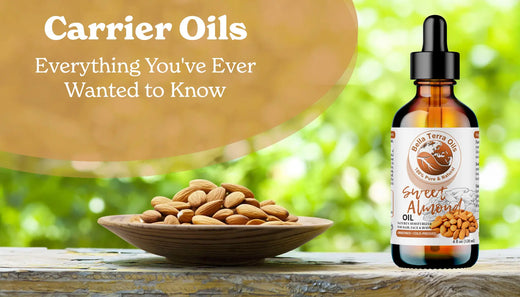

Sweet almond oil is loved for its soft, moisturizing feel, but one common question comes up for anyone with oily or acne-prone skin: is sweet almond oil comedogenic? In simple terms, people want to know whether it may clog pores or feel too heavy on the skin.
In this guide, we will look at sweet almond oil's comedogenic rating, how it may behave on different skin types, and how to use it more carefully if your skin is prone to clogged pores.
Sweet Almond Oil and Its Comedogenic Rating
Comedogenic ratings are used as a rough guide for how likely an ingredient may be to clog pores. The scale usually runs from 0 to 5, where 0 means very unlikely to clog pores and 5 means more likely to feel heavy or pore-clogging for some skin types.
Sweet almond oil is generally considered moderately comedogenic. That does not mean it will clog everyone's pores, but it does mean people with very oily or acne-prone skin should use it carefully and patch test first.
Sweet Almond Oil for Acne-Prone Skin
Sweet almond oil has a rich, emollient feel that can be helpful for dry or rough-feeling skin. For acne-prone skin, the key is moderation. A small amount may work well for some people, while others may find it too rich for facial use.
- Best for: Dry, normal, or combination skin that tolerates richer oils.
- Use carefully on: Very oily, congested, or breakout-prone areas.
- Patch test: Try a small area first before applying it across the full face.
Almond Oil and Clogged Pores
The relationship between almond oil and clogged pores depends on your skin type, how much oil you apply, and what other products are in your routine. Even a helpful oil can feel heavy if it is layered over too many rich products.
If you want to use sweet almond oil on your face, start with one or two drops on damp skin or mix a small amount into a moisturizer. Avoid applying a thick layer, especially on areas that already feel oily.
Non-Comedogenic Almond Oil for Skin
No almond oil can be guaranteed completely non-comedogenic for every person. Skin responses are individual, so the safest approach is to use a small amount and watch how your skin responds over several days.
If sweet almond oil feels too rich, lighter carrier oils such as jojoba oil or grapeseed oil may be better choices for oily or acne-prone skin.
Benefits of Almond Oil for Acne-Prone Routines
When used carefully, sweet almond oil can still have a place in a skincare routine. It can help soften dry-feeling patches, support a smoother skin feel, and add comfort when the skin barrier feels tight or rough.
- Softening: Helps dry-feeling skin feel smoother.
- Comfort: Useful for areas that feel tight or rough.
- Blending: Can be mixed with lighter oils to reduce a heavy feel.
Almond Oil for Clear Skin
Clear skin routines usually work best when they are simple and consistent. If you use sweet almond oil, keep the amount small and avoid adding several new products at once. This makes it easier to tell whether your skin likes the oil.
Best Ways to Use Sweet Almond Oil Carefully
- Patch test first: Apply a tiny amount to one area and wait to see how your skin responds.
- Use a small amount: One or two drops is usually enough for facial use.
- Apply to damp skin: This helps the oil spread more evenly.
- Mix with lighter oils: Blend with jojoba or grapeseed oil if sweet almond feels too rich.
- Avoid heavy layering: Do not combine too many rich creams and oils in the same routine.
Conclusion
Sweet almond oil is not the lightest carrier oil, and it may be moderately comedogenic for some people. That does not make it a bad oil, but it does mean acne-prone or very oily skin should use it thoughtfully.
For many people, sweet almond oil works beautifully on dry areas, body care, cuticles, and hair. For facial use, start small, patch test, and adjust based on how your skin responds.