Low porosity hair often has a tightly packed cuticle layer, which means moisture and hair products can sit on the surface instead of absorbing easily. Choosing lightweight carrier oils can help the hair feel softer and smoother without leaving a heavy buildup.
In this guide, we will look at the best carrier oils for low porosity hair, how to use them, and how to choose oils that support moisture, shine, and manageability.
Understanding Low Porosity Hair
Low porosity hair tends to resist water and heavier products. It can feel dry even when you apply rich creams or oils, especially if those products coat the strand instead of spreading lightly.
For this hair type, lighter oils are usually the easiest place to start. They help add softness and shine while keeping the routine clean and manageable.
Best Carrier Oils for Low Porosity Hair
Argan Oil
Argan oil is a strong choice for low porosity hair because it feels light while still helping condition dry strands. It is often used to smooth frizz, add shine, and soften hair without making it feel coated.
Grape Seed Oil
Grape seed oil is another excellent option. It has a thin, non-greasy texture that works well when hair needs moisture support without weight. It can be used on the scalp, through the lengths, or on the ends for a clean-looking finish.
Jojoba Oil
Jojoba oil is popular for scalp care because its texture is close to the skin's natural oils. For low porosity hair, a small amount can help soften the scalp area and add shine without feeling too rich.
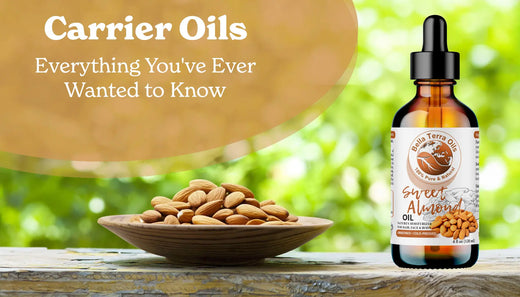
Sweet Almond Oil
Sweet almond oil is lightweight enough for many low porosity routines. It can help improve slip, reduce dryness on the ends, and support a smoother hair feel when used in moderation.
Baobab Oil
Baobab oil is valued for its conditioning feel and nutrient-rich profile. It is useful when low porosity hair needs softness, but it should be applied lightly so the hair stays fresh and not weighed down.
Carrier Oil Recommendations for Low Porosity Hair
When selecting an oil, look for a texture that spreads easily and absorbs cleanly. Heavy oils can sit on the hair surface, while lighter oils are more likely to help the hair feel smooth without buildup.
- Choose lightweight oils: Argan oil and grape seed oil are good starting points for low porosity hair.
- Use small amounts: Begin with a few drops and add more only if the hair needs it.
- Apply with warmth: Warm hands, a warm towel, or applying oil after a shower can help the product spread more evenly.
- Avoid over-layering: Too many products at once can make low porosity hair feel coated.
How to Use Carrier Oils for Low Porosity Hair
Carrier oils can be used in several ways depending on how your hair responds. The key is to keep each application light and build slowly.
- Pre-shampoo treatment: Apply a small amount of oil to the scalp and hair before washing. Leave it on for 15 to 30 minutes, then shampoo as usual.
- Leave-in boost: Mix one or two drops of oil with a leave-in conditioner to add softness without using too much oil at once.
- End sealer: Smooth a tiny amount over the ends after washing to help reduce dryness and improve shine.
- Scalp massage: Massage a lightweight oil into the scalp before wash day to support a clean, comfortable routine.
Simple Low Porosity Hair Routine
A simple routine works best for low porosity hair because too many products can leave the hair feeling stiff or coated. Start with a gentle cleanse, apply a lightweight conditioner, then use a small amount of carrier oil only where the hair needs extra softness.
After washing, squeeze out excess water and apply product while the hair is still slightly damp. Damp hair helps lightweight oils spread more evenly, especially through the mid-lengths and ends.
Wash Day
On wash day, use a small amount of argan oil or grape seed oil before shampooing if the hair feels dry. This can help reduce roughness without leaving the hair heavy after rinsing.
After Washing
After conditioning, rub one or two drops of oil between your palms and smooth it over the ends. Avoid applying too much near the roots unless your scalp feels dry, because low porosity hair can show buildup quickly.
Between Washes
Between washes, refresh the hair with a light mist of water before adding more oil. This helps prevent the oil from sitting on dry hair and gives the routine a softer, more natural finish.
How Much Oil Should You Use?
Low porosity hair usually needs less oil than people expect. Fine or short hair may only need one drop, while thicker or longer hair may need two to four drops. The goal is a soft finish, not a shiny coating.
If the hair feels greasy, sticky, or weighed down, use less oil next time or apply it before shampooing instead of after washing. If the ends still feel dry, try applying the oil to damp hair rather than fully dry hair.
Common Mistakes to Avoid
- Using too much oil: A heavy layer can make low porosity hair feel coated instead of moisturized.
- Skipping water: Oils work best when they help seal in moisture from water or conditioner.
- Applying heavy products first: Thick creams can block lighter oils from spreading evenly.
- Not clarifying: If buildup appears, use a clarifying wash occasionally before restarting a lighter routine.
Best Oil Pairings for Low Porosity Hair
Argan oil and grape seed oil are a good pairing when you want softness and shine without heaviness. Jojoba oil can be added for scalp care, while sweet almond oil works well on dry ends when used sparingly.
For most routines, choose one main oil first and test it for a few washes. Once you know how your hair responds, you can blend small amounts of two oils for a more customized feel.
Conclusion
The best carrier oils for low porosity hair are usually light, easy to spread, and simple to rinse or refresh. Argan oil, grape seed oil, jojoba oil, sweet almond oil, and baobab oil can all support healthier-looking, more manageable hair when used in the right amount.
Start with a small amount, notice how your hair responds, and adjust from there. With the right lightweight oil, low porosity hair can feel softer, shinier, and easier to care for.