Introduction
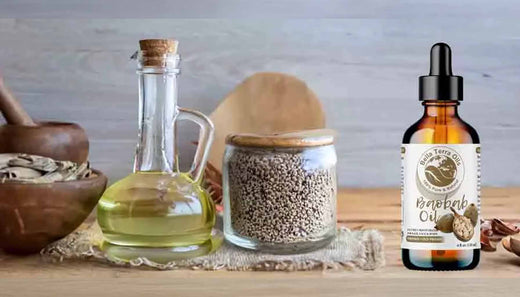
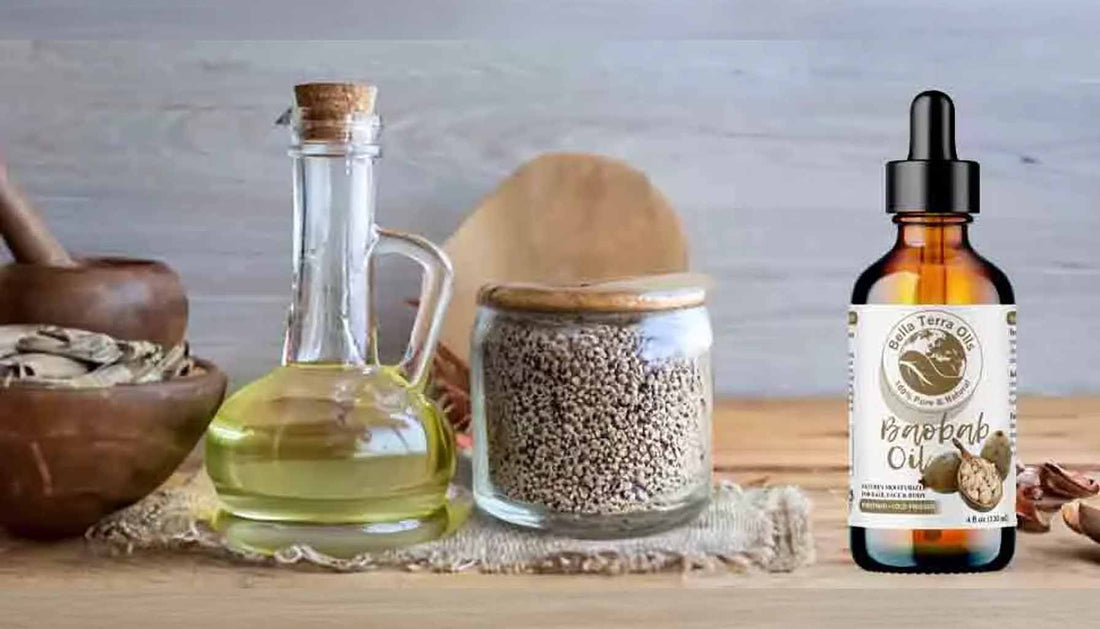
Baobab oil, extracted from the seeds of the baobab tree, is renowned for its rich nutrient profile and numerous benefits for skin and hair. Making baobab oil at home is a rewarding process that allows you to enjoy its purest form. This guide will walk you through the baobab oil extraction process, highlighting the benefits and providing a homemade baobab oil recipe.
Benefits of Baobab Oil
Before we dive into the extraction process, let's explore the benefits of baobab oil:
- Rich in Nutrients: Baobab oil is packed with vitamins A, D, E, and essential fatty acids, which are vital for skin and hair health.
- Moisturizing: It provides deep hydration, making it excellent for dry and sensitive skin.
- Anti-Inflammatory: Baobab oil helps to reduce inflammation and soothe irritated skin.
- Skin Regeneration: Promotes skin regeneration, reducing the appearance of scars and stretch marks.
Baobab Oil Extraction Process
Here's how to make baobab oil at home:
-
Gather Your Supplies:
- Baobab Seeds: You can obtain these from health stores or online suppliers.
- Mortar and Pestle or Grinder: For crushing the seeds.
- Oil Press or Manual Extraction Tools: For extracting the oil.
- Strainer or Cheesecloth: For filtering the oil.
- Clean Container: For storing the extracted oil.
-
Prepare the Baobab Seeds:
- Clean the baobab seeds to remove any dirt or debris.
- Dry the seeds thoroughly, as moisture can affect the oil extraction process.
-
Crush the Seeds:
- Use a mortar and pestle or a grinder to crush the baobab seeds into a fine powder. This helps to release the oil more effectively.
-
Extract the Oil:
- Using an Oil Press: If you have an oil press, place the crushed seeds into the press and follow the manufacturer's instructions to extract the oil.
- Manual Extraction: For a more traditional method, place the crushed seeds in a pot and heat them gently over low heat. This helps to release the oil. Once heated, press the seeds using a manual press or a clean cloth to extract the oil.
-
Filter the Oil:
- Pour the extracted oil through a strainer or cheesecloth to remove any seed particles or impurities. This step ensures that you get pure, clean baobab oil.
-
Store the Oil:
- Transfer the filtered oil into a clean, airtight container. Store it in a cool, dark place to maintain its freshness and potency.
Using Baobab Oil for Skincare
Baobab oil is a versatile ingredient that can be used in various skincare applications:
- Moisturizer: Apply a few drops of baobab oil to your face and body as a natural moisturizer.
- Hair Treatment: Use it as a hair oil to nourish and strengthen your hair, reduce frizz, and promote shine.
- Massage Oil: Baobab oil makes an excellent massage oil, providing relaxation and hydration to the skin.
Conclusion
Making baobab oil at home is a simple process that allows you to enjoy its numerous benefits in their purest form. Whether you use it for skincare, haircare, or as a massage oil, baobab oil is a valuable addition to your natural remedies collection.