Introduction
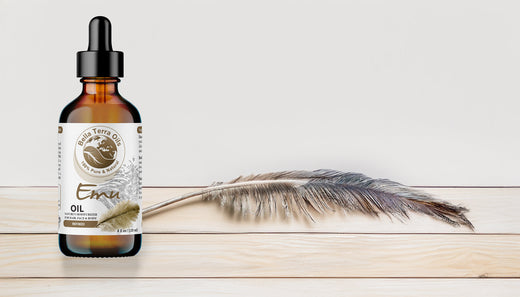
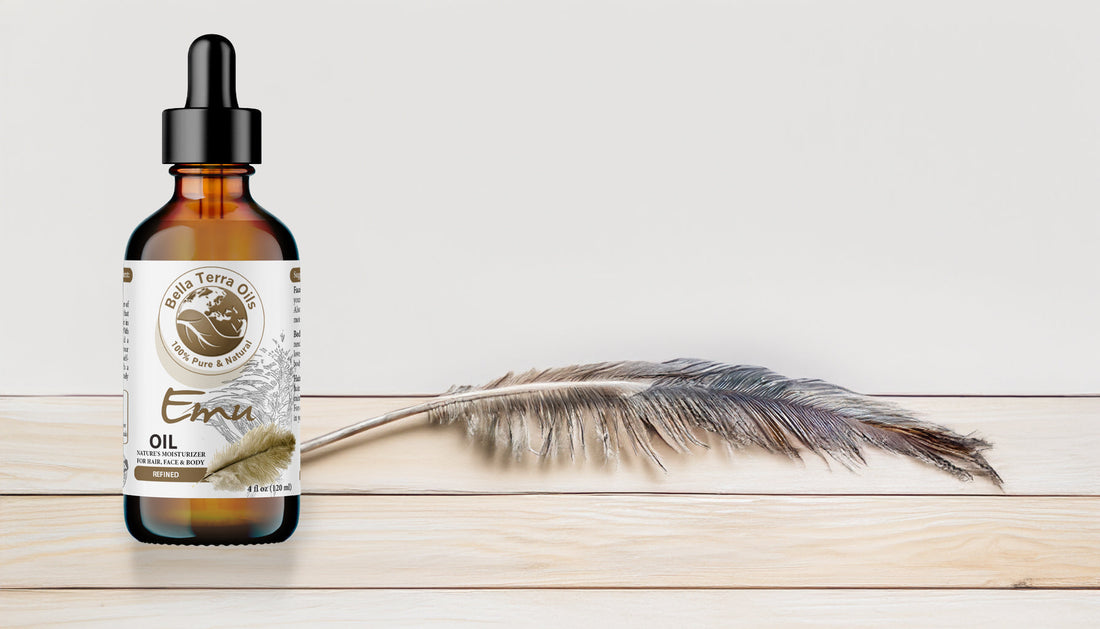
Emu oil has become increasingly popular due to its versatile uses and numerous benefits, especially in skincare. Extracted from the fat of emus, this oil is known for its anti-inflammatory and moisturizing properties. Here, we'll guide you through the process of making emu oil at home, highlighting its benefits and uses.
Step-by-Step Guide to Making Emu Oil
- Source the Emu Fat:The first step in making emu oil is to source the fat from an emu. This can be challenging for individuals who do not have direct access to emus, but some farms sell emu fat specifically for oil production.
-
Rendering the Fat:
- Cut the Fat: Cut the emu fat into small pieces to facilitate the rendering process.
- Heat the Fat: Place the fat pieces in a large pot. Heat them slowly on low heat. This process will take several hours, allowing the fat to melt and separate from any impurities.
- Strain the Oil: Once the fat has melted, strain the liquid oil through a fine mesh strainer or cheesecloth to remove any solid particles.
-
Purification:
- First Purification: Let the strained oil cool and solidify. Once solidified, heat it again slowly to remove any remaining water content.
- Final Filtration: Strain the oil once more to ensure it is pure and free from any remaining impurities.
-
Storage:
- Pour the purified emu oil into clean, airtight containers. Store it in a cool, dark place to maintain its quality and extend its shelf life.
By following these steps on how to make emu oil, you can produce high-quality, pure emu oil for various uses.
Benefits of Emu Oil
Emu oil is renowned for its numerous benefits, particularly in skincare and health:
- Anti-Inflammatory Properties: Emu oil is known for its ability to reduce inflammation, making it beneficial for conditions like arthritis and muscle pain.
- Moisturizing Effect: It deeply hydrates the skin, making it an excellent choice for dry skin conditions.
- Wound Healing: Emu oil can accelerate wound healing and reduce the appearance of scars.
- Hair Care: It helps in moisturizing the scalp and promoting hair growth.
By incorporating emu oil into your daily routine, you can take advantage of these various benefits of emu oil for improved skin, hair, and overall health.
Emu Oil Uses and Benefits
Emu oil's versatility makes it a valuable addition to your health and beauty routine. Here are some key emu oil uses and benefits:
- Skincare: Apply emu oil directly to the skin to moisturize and soothe dry, irritated areas. Emu oil skincare benefits also include reducing the appearance of wrinkles and fine lines.
- Haircare: Massage emu oil into the scalp to moisturize and nourish hair follicles, promoting healthy hair growth.
- DIY Recipes: Incorporate emu oil into homemade skincare products like lotions, creams, and balms with an emu oil DIY recipe for an added boost of hydration and healing.
Conclusion
Emu oil production at home can be a rewarding process that allows you to harness its numerous benefits for personal use. From its anti-inflammatory properties to its moisturizing effects, emu oil is a versatile and valuable addition to any health and beauty regimen. By understanding the emu oil extraction process, you can ensure you have a high-quality, natural product for your needs.